
Introduction to Fire Extinguishers
Fire extinguishers are essential components of fire safety equipment, designed to suppress or extinguish small fires before they escalate into larger, more dangerous situations. The primary purpose of a fire extinguisher is to provide immediate and accessible means for the public and emergency personnel to take action against various types of fires. Understanding the different types of fire extinguishers and their specific uses is crucial for effective fire prevention and protection.
These devices play a key role in both residential and commercial settings, safeguarding lives and property from fire damage. Each fire extinguisher is categorized based on the materials it is designed to combat, which dictates its suitability for specific environments. Having the best fire extinguisher for home and office use is vital, as it ensures that individuals are prepared for emergencies that may arise in their presence.
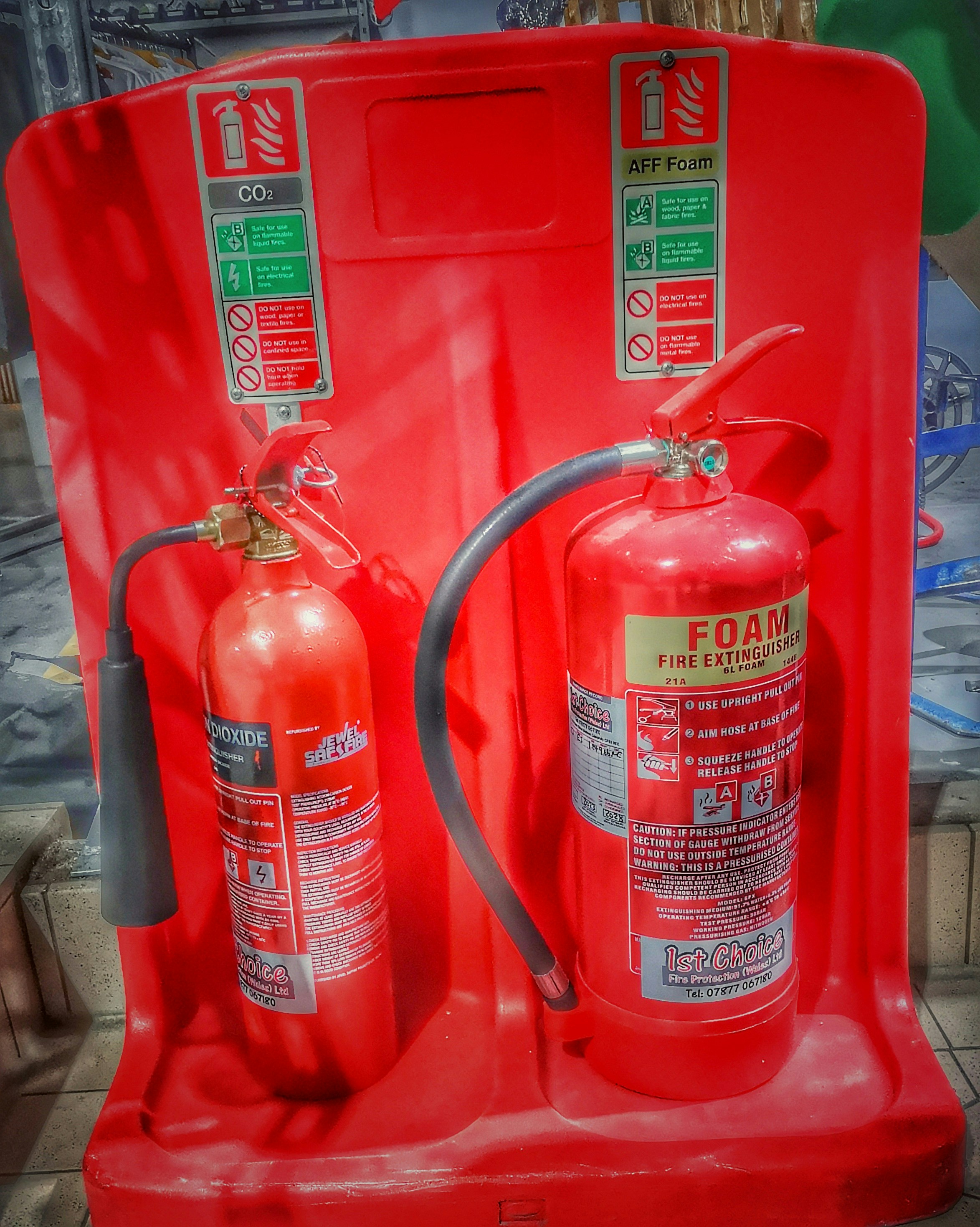
The types of fire extinguishers available include, but are not limited to, water, foam, dry chemical, carbon dioxide, and wet chemical extinguishers. Each type serves distinct functions based on its extinguishing agent; for instance, water extinguishers are effective against solid combustible materials, while carbon dioxide extinguishers excel in environments where electrical equipment is present.
Moreover, continuous advancements in fire protection equipment have led to improvements in efficiency and ease of use. It is crucial for individuals and organizations to regularly check and maintain fire extinguishers, ensuring they remain operational when needed. Furthermore, proper training on the use of various fire extinguishers can greatly enhance safety measures in place, ultimately mitigating potential risks associated with fire incidents.
In light of these factors, selecting the appropriate fire extinguisher and understanding its designated uses is imperative for ensuring comprehensive fire safety.
Classes of Fire: What Are They?
The classification of fires is crucial for understanding how to effectively manage them, especially through the appropriate fire safety equipment. Fires are categorized into five main classes: Class A, B, C, D, and K. Each class represents a different type of flammable material, and the correct type of fire extinguisher must be employed based on the class involved.
Class A fires involve ordinary combustibles such as wood, paper, and cloth. These are the most common types of fires and can be extinguished using water or foam-based fire extinguishers. The best fire extinguisher for home use often falls in this category, ensuring effective control over typical household materials that may catch fire.
Class B fires are characterized by flammable liquids like gasoline, oil, and paints. These fires must be extinguished with foam, carbon dioxide (CO2), or dry chemical extinguishers designed specifically for liquid fires. Utilizing the wrong type of fire extinguisher can exacerbate the situation, which emphasizes the importance of understanding the fire extinguisher uses.
Class C fires are related to electrical equipment such as wiring, appliances, and circuit boards. The safest approach to extinguishing these fires is with non-conductive extinguishing agents like CO2 or dry chemical extinguishers. Water should never be used on electrical fires, as it can lead to electrocution or further spread of the fire.
Class D fires involve combustible metals, which require special dry powder extinguishers designed for this purpose. These materials include substances like magnesium, titanium, or sodium, making Class D fires unique in their handling.
Lastly, Class K fires specifically pertain to cooking oils and fats. Commonly found in restaurants, these fires necessitate specialized extinguishers capable of extinguishing high-temperature grease fires.
A comprehensive understanding of these fire classes and the corresponding fire protection equipment is essential for effective fire safety. In conclusion, knowing the types of fire extinguishers appropriate for each class can vastly improve fire safety preparedness in various settings, including homes and offices.
Water Fire Extinguishers (Class A)
Water fire extinguishers are specifically designed to combat Class A fires, which typically involve solid combustibles such as wood, paper, and textiles. These extinguishers contain water as the primary extinguishing agent, and they effectively cool the burning materials to snuff out the fire. The operation of a water fire extinguisher is straightforward—by applying water directly to the flames, the heat is reduced, thereby stopping the combustion process.
One of the notable advantages of water fire extinguishers is their accessibility and ease of use. They are commonly found in residential and commercial settings, making them an essential type of fire safety equipment for locations where Class A fires are a risk. However, it is crucial to recognize the limitations of these devices. Water fire extinguishers should never be used on electrical fires or fires involving flammable liquids (Class B), as they can exacerbate the situation. Consequently, understanding fire extinguisher uses is critical to ensuring safety and effective fire response.
When employing a water fire extinguisher, best practices include maintaining a safe distance from the fire and utilizing the PASS method: Pull the pin, Aim at the base of the fire, Squeeze the handle, and Sweep side to side. Additionally, periodic inspection and maintenance of the extinguisher ensure that it remains functional when needed. For optimal fire protection equipment, water extinguishers should be positioned in easily accessible locations, and users should be familiar with their operation. While they are the best fire extinguisher for home and office spaces that are primarily at risk for Class A fires, proper education on their limitations and alternative extinguishers is paramount for comprehensive fire safety.
Foam Fire Extinguishers (Class A and B)
Foam fire extinguishers are versatile fire suppression devices specifically designed to combat fires classified under Class A and Class B categories. Class A fires involve ordinary combustibles such as wood, paper, and textiles, whereas Class B fires pertain to flammable liquids, including gasoline, oil, and paints. The effectiveness of foam extinguishers lies in their ability to smother flames and prevent re-ignition, making them an essential type of fire safety equipment.
The operational mechanism of foam fire extinguishers involves the discharge of a thick foam blanket over the burning surface. This foam not only suffocates the fire by cutting off its oxygen supply but also cools the burning materials, thereby reducing the risk of re-ignition. For home and office environments where both combustibles and flammable liquids may be present, foam extinguishers serve as a prudent choice of fire protection equipment.
Proper usage of foam fire extinguishers ensures maximum effectiveness during emergencies. When deploying a foam extinguisher, one should stand at a safe distance, aiming the nozzle at the base of the fire and sweeping the foam in a side-to-side motion. It is crucial to note that foam extinguishers are not suitable for use on fires involving electrical equipment or combustible metals, as this could exacerbate the situation. To ensure safety, it is recommended to familiarize oneself with the specific instructions on the extinguisher and to conduct regular inspections of the equipment.
In conclusion, foam fire extinguishers are a reliable and efficient means of addressing both Class A and B fire hazards. Understanding their applications and adhering to the safety measures during use can significantly enhance fire safety in both residential and commercial settings.
CO2 Fire Extinguishers (Class B and C)
CO2 fire extinguishers are specialized fire protection equipment designed primarily for combating Class B and Class C fires. Class B fires involve flammable liquids such as gasoline, oils, and paints, while Class C fires are associated with electrical equipment, including motors, transformers, and wiring. The unique properties of CO2 extinguishers make them particularly effective for these types of fires.
The mechanism by which CO2 extinguishes flames is centered on displacing oxygen, which is essential for combustion. When the CO2 is discharged from the extinguisher, it floods the surrounding area, creating an environment where oxygen levels are reduced, effectively suffocating the fire. Additionally, CO2 is stored in a liquid state, allowing it to expand rapidly as it exits the extinguisher, which enhances its efficiency in extinguishing the flames rapidly.
One notable advantage of CO2 fire extinguishers is their non-conductive nature, making them ideal for use on electrical fires. Since they do not leave any residue, they are also suitable for use in places where damage to sensitive equipment would be a concern, such as computer rooms or laboratories. However, caution should be exercised when using them in confined spaces, as the rapid displacement of oxygen can pose a risk to individuals’ respiratory health.
In terms of fire extinguisher uses, the CO2 extinguisher is particularly recommended for environments involving flammable liquids or electrical fires, making it one of the best fire extinguishers for home and office settings. Being knowledgeable about the types of fire extinguishers available and their appropriate applications is crucial for effective fire safety protocols and ensuring preparedness in case of an emergency.
Dry Powder Fire Extinguishers (Class A, B, C, and D)
Dry powder fire extinguishers are essential components of fire safety equipment, known for their versatility and effectiveness in combating various types of fires. These extinguishers utilize dry chemical agents capable of suppressing fires classified under A, B, C, and D categories. Understanding the different types of dry powder agents and their specific applications is crucial for efficient fire protection equipment usage.
Class A fires involve ordinary combustibles such as wood, paper, and textiles. Dry powder fire extinguishers designed for Class A fires typically contain agents like monoammonium phosphate, which can cool and smother the flames. For flammable liquids (Class B), the extinguishers employ agents such as sodium bicarbonate or potassium bicarbonate, which effectively disrupt the chemical reaction fueling the fire.
Class C fires, involving electrical equipment, require dry powder agents that do not conduct electricity. Using a dry powder fire extinguisher with a non-conductive agent is critical to avoid electrocution. Furthermore, Class D fires, which result from combustible metals, have specific dry powder extinguishers containing agents like sodium chloride or graphite powder. These are meticulously formulated to suppress fires caused by highly reactive metals.
The best fire extinguisher for home and office use often includes multi-purpose dry powder systems, capable of addressing multiple classes of fires. Homeowners and business operators should assess their fire risks to determine the appropriate type of fire extinguisher. It is essential to have clearly marked extinguishers and proper training in their usage for effective fire safety.
In conclusion, dry powder fire extinguishers are a vital part of fire protection equipment, addressing a wide range of fire types effectively. Their versatility makes them a recommended choice for both residential and commercial spaces, ensuring readiness in the event of a fire emergency.
Wet Chemical Fire Extinguishers (Class K)
Wet chemical fire extinguishers are specifically engineered for combating Class K fires, which typically arise from cooking oils and fats. The unique properties of these extinguishers make them essential fire safety equipment, especially in commercial kitchens and food preparation areas. Class K fires pose significant hazards due to the high flash point of cooking oils, which can lead to rapid flare-ups if not addressed promptly.
These extinguishers operate by releasing a fine mist of wet chemical agents, often potassium acetate, which effectively cools the burning oil and forms a soapy layer over the surface. This layer aids in smothering the flames while preventing re-ignition, making wet chemical fire extinguishers a critical component of fire protection equipment in environments that utilize large quantities of cooking fats. When using a wet chemical extinguisher, it is crucial to apply the agent from a safe distance while aiming at the base of the flames, ensuring maximum effectiveness.
In scenarios where a fire arises from cooking oils and fats, such as in deep-frying operations, the use of wet chemical fire extinguishers is highly recommended. They offer a simple yet highly efficient solution for extinguishing kitchen fires without exacerbating the situation, as would be the case with foam or water extinguishers. Restaurant owners and homeowners alike should consider investing in the best fire extinguisher for home and office kitchens to ensure adequate response capabilities in the event of an emergency.
In conclusion, understanding the role and function of wet chemical fire extinguishers is vital for anyone involved in food preparation. By utilizing these specialized fire extinguishers, individuals can significantly enhance their fire safety protocols and safeguard both lives and property.
Choosing the Right Fire Extinguisher for Your Needs
Selecting the correct type of fire extinguisher is crucial for effective fire protection. The range of fire extinguishers available can be categorized according to the type of fire they extinguish and the materials that might be present in your environment. Understanding these categories can help in determining the best fire extinguisher for home and office use.
Firstly, consider the class of fire you might encounter. For instance, Class A extinguishers are designed for fires involving ordinary combustibles such as wood, paper, and textiles. Conversely, Class B extinguishers are suitable for flammable liquids like gasoline or grease, while Class C extinguishers tackle electrical fires. If there are specific fire hazards in your workplace or home environment, selecting a multi-class extinguisher can provide more comprehensive coverage.
Another key factor is the physical space where the fire extinguisher will be located. If you are in a large office area, multiple extinguishers may need to be strategically placed for quick access during an emergency. Additionally, legal requirements in certain jurisdictions may mandate the presence of specific types of fire safety equipment in commercial settings.
Lastly, it’s important to assess the flammability of materials present in your vicinity, guiding you in choosing the right fire protection equipment. For residential settings with a variety of potential fire sources such as cooking appliances and heating systems, it’s advisable to keep different types of extinguishers on hand. Remember, proper training and maintenance of any fire extinguisher you choose are equally critical to ensure readiness when faced with a fire emergency.
Maintenance and Safety Tips for Fire Extinguishers
Proper maintenance of fire extinguishers is crucial to ensure they function effectively in emergencies. Fire safety equipment, particularly fire extinguishers, must be regularly checked and maintained to prevent malfunctions during critical moments. To ensure that these vital pieces of fire protection equipment are always ready for use, users should adhere to a routine maintenance schedule and follow specific safety tips.
Firstly, it is recommended that fire extinguishers be inspected at least once a month. This involves checking the pressure gauge, ensuring that the needle is within the green zone, and examining the overall physical condition of the unit for any signs of damage or corrosion. Additionally, users should verify that the extinguisher is easily accessible and not obstructed by any objects.
Extinguishers should also be serviced by a professional at least once a year. During this maintenance, the technician will conduct a thorough check, refill or replace any extinguishing agents as needed, and ensure that all components are working properly. For homes and offices, knowing the best fire extinguisher for your specific needs can greatly enhance safety measures.
Educating individuals about the different types of fire extinguishers is vital. Users should comprehend the various extinguisher types and their uses, including the specific classes of fire they are designed to combat. This knowledge will empower users to make informed decisions about which fire extinguisher to use in specific fire emergencies.
Lastly, after extensive use, extinguishers must be replaced. Each unit has a lifespan, which is typically indicated on the device itself. Whenever a fire extinguisher is discharged, it is essential to refill or replace it to ensure ongoing fire protection. Adhering to these guidelines will not only enhance personal safety but also foster a safer environment in homes and workplaces.