
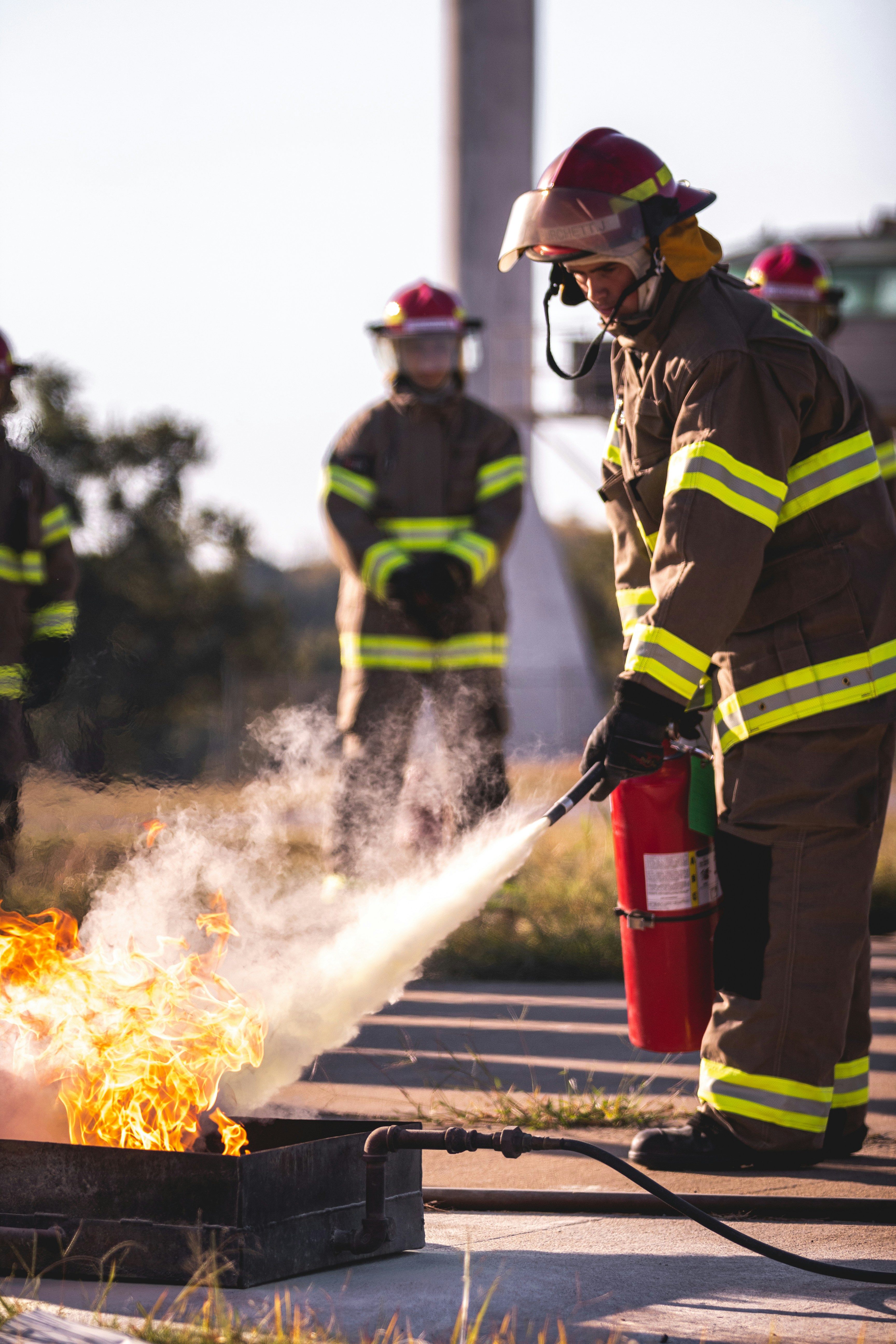
Introduction to Fire Safety
Fire safety is a critical aspect of everyday life, encompassing the strategies and practices designed to prevent fires, and minimize potential injuries and damage when they occur. The significance of fire safety cannot be overstated, as it addresses the inherent risks associated with combustible materials and ignition sources present in various environments, particularly in homes and workplaces. The potential for fire hazards exists in numerous forms, including faulty electrical wiring, unattended cooking equipment, or the improper storage of flammable materials.
Everyday activities can inadvertently lead to situations where fire safety becomes paramount. For instance, cooking in the kitchen, utilizing heating appliances, or even maintaining outdoor spaces can pose risks if safety measures are neglected. Therefore, implementing a robust fire safety guide is essential for every household and organization. This includes understanding the strategic placement and use of fire extinguishers, which serve as the first line of defense in extinguishing small fires before they escalate. Moreover, the installation of a fire hydrant system is vital for providing a constant water supply in case of larger fires.
Awareness and education about fire safety are crucial components in reducing fire-related incidents. Most people may not realize that their actions can significantly influence their safety. Regular fire drills, familiarization with escape routes, and proper training in the use of fire extinguishers are integral parts of emergency preparedness. Additionally, investing in a comprehensive fire safety guide equips individuals with the knowledge needed to recognize fire hazards, implement preventative measures, and respond effectively in emergencies.
Understanding Fire Extinguishers
Fire extinguishers are essential safety devices designed to combat small fires before they escalate. These devices come in various types, each tailored to address specific categories of fires, ensuring effective suppression. The primary classes of fire extinguishers include Class A, Class B, Class C, Class D, and Class K, each indicated by distinct symbols or labels.
Class A extinguishers are suitable for ordinary combustibles such as wood, paper, and textiles. They typically use water or foam agents to extinguish flames. Class B extinguishers are indispensable for flammable liquids including oils, gasoline, and solvents, utilizing dry chemical or foam agents to suffocate the fire. For electrical fires, Class C extinguishers are necessary, as they employ non-conductive agents to prevent electrical shock. Class D extinguishers cater to reactive metals, such as magnesium and titanium, using specialized dry powder agents to extinguish flames effectively. Lastly, Class K extinguishers are particularly useful in commercial kitchens, designed to combat fires involving cooking oils and fats using wet chemical agents that cool and smother the flames.
A fire safety guide emphasizes the importance of understanding the appropriate type of fire extinguisher for specific environments. Each extinguisher is labeled with clear instructions detailing the class of fire it is intended for, along with handling guidelines and maintenance information. This labeling is crucial to help individuals assess the right extinguisher to use in an emergency. Additionally, regular checks and maintenance of fire extinguishers are vital, ensuring they are operational and readily available when needed. Having the appropriate fire extinguisher accessible can significantly mitigate the damage caused by fire incidents, reinforcing the necessity of preparedness in residential, commercial, and industrial settings.
Choosing the Right Fire Extinguisher
Selecting the correct fire extinguisher is crucial in ensuring safety across different environments such as homes, offices, or workshops. A fundamental aspect of your fire safety guide is understanding the types of fires that are most likely to occur in these settings and choosing extinguishers accordingly.
In residential areas, for example, the common types of fires usually stem from ordinary combustibles like wood, paper, and cloth. Therefore, a Class A fire extinguisher, identifiable by its triangle symbol, is typically recommended for home use. Additionally, in kitchens, where grease fires might occur, a Class K extinguisher is essential as it is specifically designed to combat such flames.
In an office environment, fire risks can vary depending on the materials present. Class B fire extinguishers should be readily available to handle flammable liquids and gases often found in workplace settings. Moreover, for electronic equipment, a Class C extinguisher is critical, as it is non-conductive and safe to use on electrical fires without the risk of electrocution.
Workshops often present a greater variety of fire hazards. Therefore, selecting a more versatile extinguisher, such as a multi-purpose ABC extinguisher, can cover most fire scenarios. These extinguishers are effective against Class A, B, and C fires, making them an excellent choice for diverse potentially hazardous settings.
When determining the appropriate size of a fire extinguisher, consider the area that needs coverage. Larger spaces may require multiple extinguishers for adequate safety. Be sure to place extinguishers in easily accessible locations and ensure they are regularly inspected and maintained as part of your comprehensive fire safety guide.
Fire Extinguisher Maintenance and Inspection
Regular maintenance and inspection of fire extinguishers are crucial to ensure that they are operational at all times. A comprehensive fire safety guide emphasizes the importance of adhering to established protocols for checking fire extinguishers and ensuring compliance with safety regulations. Each fire extinguisher should be inspected monthly and undergo a thorough annual maintenance check by a qualified technician.
A checklist for routine inspections typically includes verifying that the extinguisher is accessible, correctly mounted, and fully charged. Additionally, the inspection should confirm that the pressure gauge is in the operable green zone and that there are no visible signs of damage, such as dents, rust, or leaks. The inspection records must be documented meticulously to maintain a history of service and identify any potential issues early.
When it comes to recharging or replacing fire extinguishers, specific circumstances dictate the need for action. For instance, any extinguisher that has been used, even partially, must be recharged immediately. Additionally, extinguishers should be replaced if they are outdated. Most fire extinguishers have a lifespan of 5 to 15 years, depending on the type and manufacturer specifications. It is essential to check the expiration date marked on the label to avoid relying on an ineffective device.
Lastly, keeping updated records of maintenance is vital. These records not only ensure compliance with local fire codes but also provide a clear history of inspections and services performed. This documentation can be exceedingly beneficial during inspections or safety audits. Understanding and practicing proper fire extinguisher maintenance is fundamental for fire safety preparedness and can greatly reduce the risk of fire-related emergencies.
Understanding Fire Hydrants
Fire hydrants serve as essential components of urban fire protection systems, providing a reliable water source for firefighters during emergency situations. These crucial devices are typically installed along public streets and are connected to the municipal water supply, allowing for rapid access to water in the event of a fire. Understanding the different types of fire hydrants is important for enhancing overall fire safety.
There are primarily two types of fire hydrants: wet barrel and dry barrel models. Wet barrel hydrants have water within the barrel at all times and are commonly found in warmer climates where freezing is not a concern. Conversely, dry barrel hydrants feature a mechanism that prevents water from entering the barrel until it is needed, making them suitable for areas subjected to freezing temperatures. This design aids in maintaining fire safety by ensuring the hydrant remains operational even in adverse weather conditions.
The functionality of a fire hydrant is closely linked to the surrounding infrastructure, which includes a well-maintained water supply system. This system is crucial in ensuring adequate water pressure and flow rates are available at the hydrant. Firefighters rely on these water sources to quickly combat fires and protect life and property. The efficiency of a fire response can be significantly enhanced by the availability and accessibility of these hydrants. Ensuring regular inspections and maintenance of fire hydrants, alongside integrating fire hydrant systems into community fire safety plans, is vital for preparedness.
In conclusion, fire hydrants are indispensable tools in firefighting efforts, designed to deliver a powerful stream of water when needed most. Their types and the infrastructure supporting them play critical roles in ensuring that firefighters can act swiftly and effectively in emergency situations, reinforcing the overall fire safety guide within a community.
The Importance of Accessibility in Fire Hydrants
Fire hydrants play an essential role in fire safety and are vital tools that allow firefighters to access water during emergencies. However, their effectiveness can be drastically diminished when access is obstructed. Ensuring that fire hydrants are unblocked and easily reachable is critical in safeguarding lives and property. Common obstacles include parked vehicles, overgrown vegetation, construction debris, and even snow accumulation in certain climates. When these barriers impede access to a fire hydrant, it can delay a firefighter’s ability to respond to a blaze, potentially exacerbating the situation and risking lives.
Community awareness is paramount in keeping fire hydrants accessible. Individuals living in proximity to hydrants should be encouraged to recognize the significance of these resources. Simple steps, such as ensuring no vehicles are parked within the designated clearance zone, can significantly improve accessibility. Moreover, homeowners and businesses should take responsibility for maintaining nearby hydrants, which may involve clearing snow or trimming back flora that may obstruct them. Regular community initiatives, such as local clean-up days, can be beneficial in raising awareness about the necessity of keeping these crucial safety tools clear.
Collaboration between fire departments and the community is essential for effective fire safety. Public education campaigns aimed at informing residents about the importance of hydrant accessibility can foster a culture of safety and responsibility. When neighborhoods unite to protect fire hydrants, they not only support their emergency responders but also enhance their community’s overall preparedness for fire-related emergencies. Maintaining clear access to fire hydrants is a crucial element in any fire safety guide, as it directly impacts the efficiency of firefighting efforts during critical moments.
Training and Education on Fire Safety Equipment
Proper training and education regarding fire safety equipment are vital for preventing fires and ensuring safety in both workplace and home environments. This initiates an understanding of how to effectively utilize devices such as fire extinguishers and fire hydrant systems, which are crucial components in any comprehensive fire safety guide.
For employees, numerous training programs are designed to equip individuals with the knowledge necessary to handle emergencies. These programs typically include instructional sessions on the different types of fire extinguishers, their classifications, and the appropriate use for each type. Employees are trained not only on how to operate fire extinguishers but also on recognizing when it’s safe to attempt to extinguish a fire and when to evacuate the area. Regular fire drills are also implemented to reinforce this training, offering scenarios that aid in familiarizing employees with exit routes and emergency protocols.
For individuals at home, education surrounding fire safety equipment should not be overlooked. Families should be informed about the importance of having functional fire extinguishers readily accessible and all members trained on how to use them effectively. Simple instructional resources and community workshops can be beneficial in spreading awareness about fire safety measures. Additionally, teaching children about fire safety can cultivate an early understanding of hazards and appropriate responses.
Furthermore, adhering to local regulations and guidelines for fire safety equipment in residential and commercial settings can significantly mitigate risks. Regular maintenance and inspections of fire extinguishers and hydrant systems should be performed to ensure they are in working order. In conclusion, a well-informed community about fire safety equipment can make a significant difference in preventing disasters and responding effectively during emergencies.
Legal Requirements and Regulations
The implementation of fire safety measures is governed by a variety of legal requirements and regulations aimed at protecting lives and property. These regulations vary by region but commonly encompass the installation, maintenance, and testing of essential equipment such as fire extinguishers and fire hydrant systems. In many jurisdictions, local fire codes and national standards set forth detailed specifications regarding the number, type, and placement of fire extinguishers within residential and commercial buildings.
For example, the National Fire Protection Association (NFPA) provides guidelines to ensure that fire extinguishers are accessible, visible, and regularly serviced. Businesses must comply with these guidelines in order to meet legal obligations. Organizations failing to meet these requirements risk incurring significant penalties, including fines or operational shutdowns. Homeowners also face legal repercussions, particularly if non-compliance leads to catastrophic incidents such as fires, which can result in both criminal and civil liabilities.
Furthermore, regions may have specific regulations governing fire hydrant systems, including their maintenance and accessibility. Fire hydrants must be inspected regularly to ensure that they are functional and easily reachable in emergencies. Local fire departments typically establish these guidelines and conduct routine checks to enforce compliance. Non-compliance with fire hydrant regulations could hinder firefighting efforts, endangering lives and property during emergencies.
Understanding these legal aspects is crucial for both property owners and organizations. Failure to adhere to fire safety regulations not only compromises safety but also exposes individuals and businesses to potential legal ramifications. Thus, staying informed about both local and national fire safety regulations is essential for ensuring compliance and maintaining a safe environment for all.
Conclusion and Best Practices
Ensuring fire safety is a crucial aspect of maintaining a safe environment, whether in residential, commercial, or industrial settings. Throughout this fire safety guide, the importance of understanding fire extinguishers and fire hydrant systems has been highlighted. Regular training and preparedness are essential components that contribute significantly to effective fire prevention and response.
To enhance fire safety in your daily life, it is imperative to adopt best practices that are easy to implement. First, ensure that fire extinguishers are strategically placed in accessible locations and that all individuals are trained on how to use them properly. Familiarity with the different types of extinguishers and their uses can make a critical difference during emergencies. Additionally, conducting routine checks on fire hydrant systems keeps them operational and ready for use by firefighters in case of an outbreak.
Moreover, establishing a fire safety plan that includes regular drills can greatly increase preparedness among occupants of a building. Everyone should be informed about escape routes, emergency contacts, and meeting points. As part of a fire safety guide, understanding the regulations and requirements outlined by local authorities is also vital. Adhering to these legal obligations not only enhances safety but also ensures compliance with the law.
In conclusion, fire safety is everyone’s responsibility. By being proactive, educating oneself and others, and adhering to established safety measures, it is possible to significantly reduce the risk of fire incidents. Through collective effort and vigilance, we can create safer environments for all, whether in our homes or workplaces.